


Planning an abroad business trip requires more preparation than a regular vacation. In addition to booking flights and hotels, professionals must consider travel documentation, budgeting, meeting schedules, cultural etiquette, insurance, and technology setup.
A well-organized trip helps avoid delays, reduce expenses, and ensure that business meetings and partnerships go smoothly. Whether you are traveling for a conference, client meetings, or market research, following a structured plan can make your abroad business travel far more productive.
Table of Contents
Why Proper Planning Matters for Abroad Business Travel
Abroad travel often involves tight schedules and high expenses. Without proper planning, travelers may face:
- Visa issues or documentation delays
- Missed meetings due to poor scheduling
- Higher travel costs
- Connectivity or technology problems abroad
- Cultural misunderstandings during meetings
By planning carefully before departure, professionals can ensure their trip runs smoothly and that every meeting contributes to their business goals.
Step-by-Step Guide to Planning a Business Trip Abroad
| Step | What to Do | Why It Matters |
| 1. Define trip purpose | Identify whether the trip is for meetings, conferences, or partnerships | Helps determine itinerary and priorities |
| 2. Check passport & visa | Ensure passport validity and apply for the required business visas | Prevents entry problems at immigration |
| 3. Set a travel budget | Estimate expenses for flights, hotels, meals, and local transport | Avoids overspending and reimbursement issues |
| 4. Book flights early | Reserve flights 4–8 weeks in advance and choose convenient arrival times | Saves money and reduces travel fatigue |
| 5. Choose accommodation | Stay near meeting locations with reliable Wi-Fi and workspace | Improves productivity and saves commuting time |
| 6. Organize documents | Prepare tickets, hotel confirmations, meeting agenda, and presentations | Ensures smooth travel and professional readiness |
| 7. Research business culture | Learn local etiquette, greetings, and negotiation styles | Builds better relationships with partners |
| 8. Prepare technology | Carry laptop, adapters, mobile hotspot, and chargers | Keeps work and communication running smoothly |
| 9. Plan meeting schedule | Confirm time zones and leave buffer time between meetings | Avoids scheduling conflicts |
| 10. Arrange insurance & safety | Buy travel insurance and check health requirements | Protects against emergencies and trip disruptions |
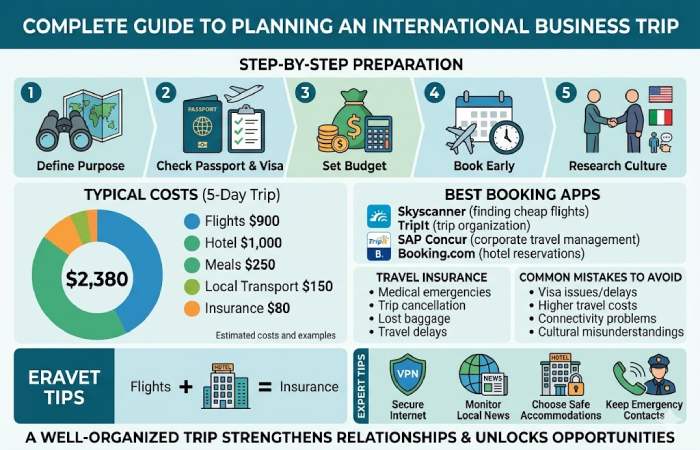
Cost of an International Business Trip
International business travel costs vary depending on destination, travel class, and duration. However, a typical trip includes several core expenses.
| Expense Category | Typical Price Range |
| Flights | $700 – $1,200 |
| Hotel (per night) | $150 – $300 |
| Meals & daily expenses | $50 – $75 |
| Local transportation | $20 – $50 |
| Travel insurance | $50 – $200 |
Example Budget for a 5-Day Business Trip
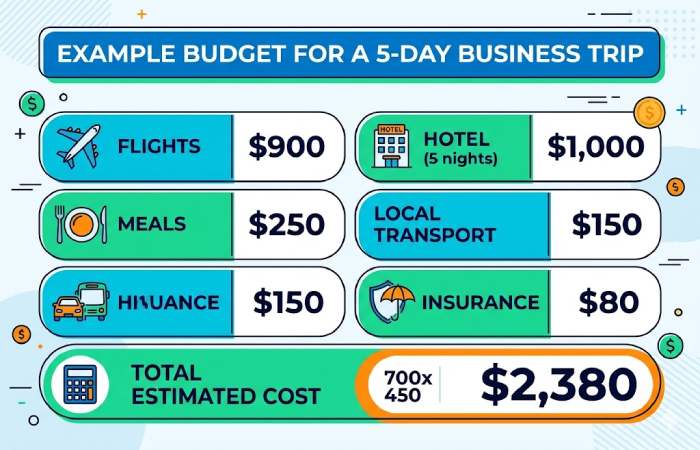
These costs can increase significantly in major global cities such as New York, London, or Tokyo.
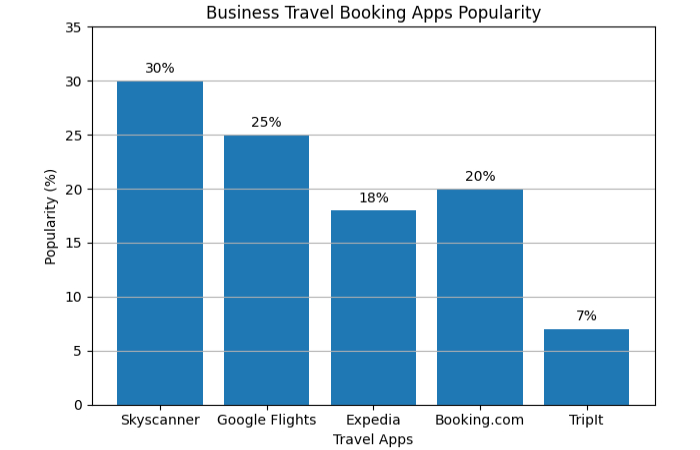
Best Apps to Book Flights, Hotels, and Business Travel
Travel apps make it easier to compare prices, manage itineraries, and organize reservations.
| App / Platform | Best For | Key Features |
| Skyscanner | Finding cheap flights | Compares airline prices across platforms |
| Google Flights | Flight research | Price tracking and flexible date search |
| Expedia | Package bookings | Combines flights and hotels |
| TripIt | Trip organization | Automatically creates travel itineraries |
| SAP Concur | Corporate travel management | Tracks expenses and company travel policies |
| Booking.com | Hotel reservations | Large selection of global hotels |
| Airbnb | Long stays | Apartments with workspace options |
Using these platforms can help business travelers compare prices quickly and manage bookings in one place.
Travel Insurance for Abroad Business Trips
Travel insurance protects business travelers against unexpected problems such as medical emergencies, flight cancellations, or lost luggage.
| Insurance Feature | What It Covers | Why It’s Important |
| Medical emergencies | Hospital treatment and emergency care abroad | Healthcare overseas can be expensive |
| Trip cancellation | Refund if trip is canceled due to illness or emergencies | Protects prepaid travel expenses |
| Trip interruption | Coverage if you must return early | Prevents financial losses |
| Lost or delayed baggage | Compensation for lost luggage | Protects important belongings |
| Travel delays | Reimbursement for delays or missed connections | Covers hotels and meals |
| Emergency assistance | 24/7 support during emergencies | Provides guidance abroad |
Popular Travel Insurance Providers
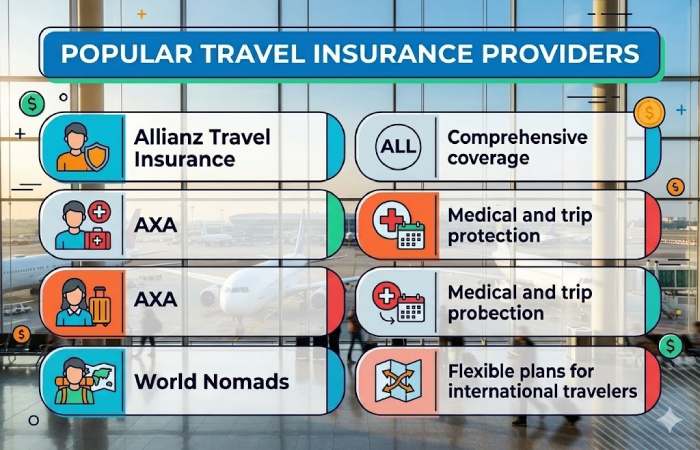
Travel insurance usually costs 4–10% of the total trip cost.
How Companies Manage Corporate Travel Policies
Many organizations use corporate travel policies to manage expenses, maintain employee safety, and ensure compliance with company standards.
These policies provide guidelines on how employees book travel, what expenses are allowed, and which tools should be used.
| Policy Element | Description | Purpose |
| Approved booking platforms | Employees must use specific travel apps or agencies | Ensures negotiated corporate rates |
| Expense limits | Defines maximum budgets for flights, hotels, and meals | Controls travel costs |
| Preferred airlines and hotels | Companies partner with specific providers | Offers discounts and loyalty benefits |
| Travel approval process | Employees must obtain management approval before booking | Prevents unnecessary travel |
| Expense reporting | Travelers submit receipts and reports after the trip | Ensures accurate reimbursement |
| Safety compliance | Employees follow company security guidelines when traveling | Protects staff and company data |
Many companies manage travel policies using corporate travel software such as
SAP Concur, which helps automate bookings, track expenses, and enforce company policies.
Well-structured travel policies help organizations control costs, improve efficiency, and ensure employee safety during international trips.
Business Travel Packing Checklist
Packing efficiently helps ensure you are fully prepared for meetings and travel.
| Category | Items to Pack |
| Documents | Passport, visa, travel insurance, tickets |
| Technology | Laptop, chargers, adapters, power bank |
| Business materials | Presentation files, notebooks, business cards |
| Clothing | Professional outfits and comfortable travel wear |
| Health | Personal medications and hygiene items |
Always keep important documents and electronics in your carry-on bag.
Common Mistakes to Avoid When Planning a Business Trip Abroad
Even experienced professionals can make mistakes when planning international travel.
Common errors include:
- Applying for visas too late
- Booking flights without considering jet lag
- Ignoring cultural etiquette
- Overbooking meetings in one day
- Forgetting digital backups of important documents
Avoiding these mistakes ensures your trip remains efficient and productive.
Expert Tips for Successful Abroad Business Travel
| Safety Tip | What to Do | Why It Matters |
| Register travel plans | Inform your company and family about your itinerary | Ensures someone knows your location during emergencies |
| Secure important documents | Keep passport, visa, and copies in separate places | Prevents major issues if documents are lost or stolen |
| Use secure internet | Connect through a VPN when using public Wi-Fi | Protects business data and confidential information |
| Avoid carrying large cash amounts | Use credit cards or secure payment apps | Reduces risk of theft |
| Choose safe accommodations | Book hotels in reputable business districts | Improves security and accessibility |
| Monitor local news | Stay updated about political events or travel advisories | Helps avoid risky areas or situations |
| Protect electronic devices | Use strong passwords and encrypted storage | Prevents corporate data breaches |
| Keep emergency contacts ready | Save local emergency numbers and embassy contacts | Allows quick response in urgent situations |
Final Thoughts
Planning a business trip abroad requires careful coordination of logistics, budgeting, documentation, and cultural preparation. While the process may seem complex at first, following a structured approach makes international travel far more manageable.
By defining clear objectives, booking travel early, securing insurance, and preparing for cultural differences, professionals can ensure their business trips are productive, efficient, and successful.
A well-planned trip not only saves time and money but also helps strengthen relationships and unlock new international business opportunities.