


Importance of Currencies: Currencies are a medium of exchange for belongings and facilities. In short, in the method of paper or changes, its currency supply by a government generally believes at its face value as a payment method. Currency is the primary average of exchange in the current world, having long ago swapped trading as a means of trading goods and facilities.
In the 21st century, a new method of currency has entered the language, virtual currency. Virtual money such as bitcoins have no physical existence or government backing and are traded and stored in electronic form. Most importantly, money has to be the element of explanation, or numeraire, a fancy term for the team that things price in within culture. Once there is a part of the explanation, people can make an argument indeed on credit without using bodily currency. In the U.S., that is money.
Table of Contents
Introduction
Currency is the physical paper records and coins inflow. By accepting the currency, a trade can sell their goods and have a convenient way to pay their trading partners. There are other essential benefits of currency too. The relatively small coins and dollar bills make them easy to transport.
Reflect a corn grower who would have to load a cart with food every time he needed to buy something. Additionally, coins and paper can last a long time for all supplies. A farmer who trusts direct trade, for example, may only have a few weeks before his resources spoil. With money, she can accumulate and supply her wealth.
Understanding by Importance of Currencies
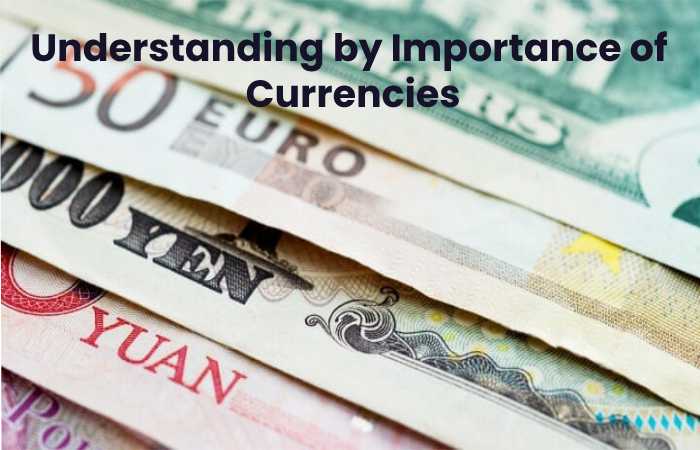
Currency in some form has stood in use for at least 3,000 years. Money, typically in coins, proved crucial to facilitating trade across continents. A vital characteristic of the current money is that it is uniformly worthless. Bills are pieces of paper rather than coins made of gold, silver, or bronze.
Using paper as a currency may have been developed in China as early as 1000 BC, but accepting a piece of paper in return for something of real value took a long time to catch on. Modern currencies are issued on paper in various denominations, with fractional issues in the form of coins.
While it may seem straightforward, since we all use it almost daily, the exact meaning of money can also be indefinable and nuanced. Imagine you make shoes for an alive and need to buy cash to feed your family. You method the baker and offer a pair of shoes for an exact number of loaves. But as it goes out, he doesn’t need shoes at the instant. You’re out of luck if you can find another baker who happens to be short on footwear close.
Importance Of National Currencies
According to mainstream economics, money alleviates this tricky. It offers a universal store of value that other members of society can readily use. That same baker might need a table in place of shoes. In general, transactions can happen much quicker because sellers have an easier time finding a buyer with whom they want to do business.
According to WorldAtlas.com, 180 national currency standards by the United Nations are now in circulation. Another 66 countries use the U.S. dollar or peg their currencies directly to the dollar. Most governments issue their coins, for example, Switzerland’s official currency. An exclusion is a euro, which has been adopted by most countries members of the European Union.
Worth in Current Importance of Currencies
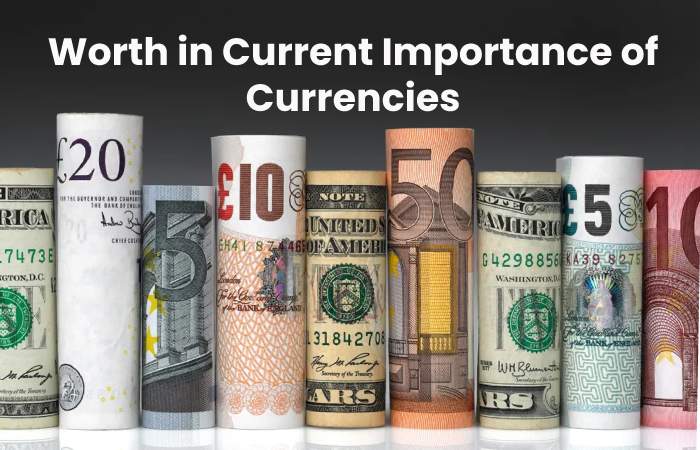
So, what exactly gives our current forms of currency whether it’s an American dollar value? Unlike early coins made of valuable metals, most of what’s minted today doesn’t have much intrinsic value. However, it retains its value for one of two reasons. First, in the case of “typical money,” each coin or note is in exchange for a fixed amount of a commodity.
The buck fell into this category in the years following World War II, when central banks worldwide could pay the U.S. government $35 for an ounce of gold.2 In other words, the paper money represented some claim on physical metal and could legally be exchanged for that metal on request.
However, worries about a possible run on America’s gold supply led President Nixon to cancel this agreement with countries worldwide. By leaving the gold standard, the dollar developed what’s referred to as fiat money.
In other words, fiat money holds value because people trust that others will accept it as payment. Its value also depends on confidence in the government and its ability to levy and collect taxes. In business finance, companies may use a convertible note to raise funds through debt that can convert into equity under specified conditions. Today, the British euro pound’s most outstanding significant currencies worldwide fall into this category.
How Currency Works
Currency refers to paper cash or coins that are in the flow. Whether we pull out paper bills or put down a credit card, most daily transactions use currency. Indeed, money is the lifeblood of saving around the world.
Currency is only one part of the monetary economy and the overall money supply. Much of today’s money exists as electronic records held by banks and financial institutions. Financial technology companies are also transforming how people manage and invest their money, as illustrated by Wealthsimple’s $610 million funding round But motionless, the bread and butter of everyday contacts, is currency, which is what we will look more closely at here.
Exchange-Rate of Currencies Rules
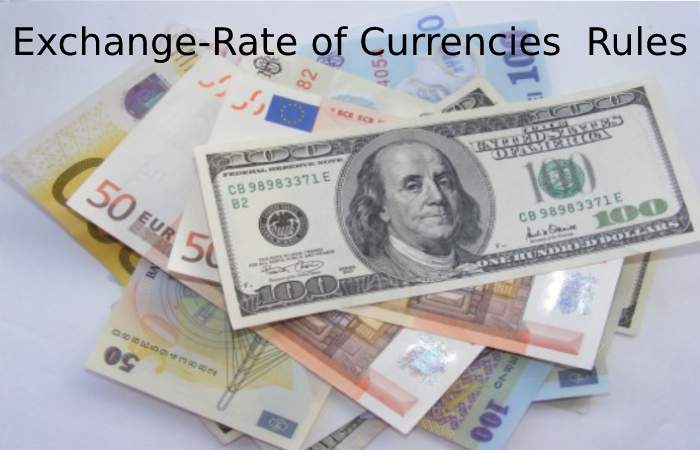
While currency traditionally refers to physical money, financial markets also examine national currencies and the exchange rates between them. Because of global trade, individuals and businesses often need to acquire foreign currencies. Understanding how exchange rates work can help them compare conversion costs and make informed decisions when conducting international transactions. Governments have two essential policy selections when it comes to working with this procedure. The first is to suggest a fixed exchange rate.
Here, the government pegs its currency to one of the leading world currencies, such as the American greenback or the euro, and sets a firm exchange rate between the two values. The nation’s central bank also buys or sells the currency pegged to preserve the local exchange rate.
The chief goal of a fixed exchange rate is to make sense of stability, mainly when a country’s financial markets are less sophisticated than those in other parts of the world. Depositors gain confidence by knowing the exact amount of the pegged currency they can obtain if they desire.
However, fixed exchange rates have also occupied a part in numerous currency crises. This can happen, for instance, when the securing of local currency by the central bank leads to its overvaluation.
Conclusion
Regardless of their form, all currency has the same primary goals. It helps inspire economic activity by increasing the market for various goods. And it enables regulars to store wealth and long-term speech needs. Currency was when limited to the area of physical coins and bills.
Still, today’s digital budget means that money now exists as data stored in ledgers at banks and is even excelling in the possibility of physicality with the development of cryptocurrencies such as Bitcoin, which can physical.
Saba Mirza
Saba Mirza is a Technology & Business Content Writer at Tech and Business News with 3+ years of content writing experience. She creates clear, reader-focused articles covering technology, business, digital trends, software, online platforms, entrepreneurship and developments shaping the modern digital world.
View Author Profile →
Sameena Begum
Sameena Begum is a Technology & Business Content Reviewer at Tech and Business News with 8 years of content and editorial experience. She reviews articles for clarity, factual presentation, structure, consistency and overall reader usefulness.
View Reviewer Profile →